Rio de Janeiro, Brazil » Entertainment » Attractions

Samba City (Cidade Do Samba)
Samba city is a recent addition to Rio’s infrastructure and occupies an area of about 114.000 sq. meters. Constructed by the City Hall, it is located in the adjoining town of Gamboa. The reason for constructing the city in Gambo was that, the city is considered to be sacred, as this was the birthplace of Carioca samba. The city’s architectural design is geometric in shape and includes the districts of Saúde, Santo Cristo and Gamboa. The thought behind the architecture is of accepting and acknowledging the ancestral dance of Samba which came from Africa.
Address: Rua Rivadavia Correia, 60, Gamboa, Rio de Janeiro - RJ
Tel: +55 21 2213 2503
Fax: +55 21 2213 2546

For further information, Visit Samba City.

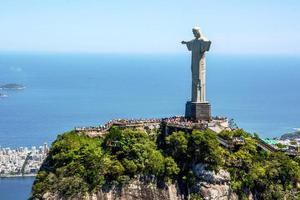
Christ Redeemer
The statue of Christ Redeemer is a part of the new edition of the Seven Wonders of the World. The statue represents Rio and in 2008 it completed 77 years of its existence. The attraction was built approximately 38 meters high and covers 710 meters of the mountain, the statute was inaugurated in 1931. Situated on top of the Corcovado Mountain, initially one had to climb the 220 steps to reach the statue. Though, today with the help of escalators and elevators one can easily get to the statue.
Address: Estrada de Ferro Corcovado - Rua Cosme Velho, 513, Rio de Janeiro
Tel: +55 21 2558 1329
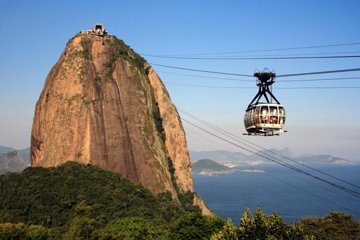
Sugar Loaf cable car
The Sugar Loaf Cable Car is one of oldest cable cars in world and the first one in Brazil. Launched in 1912, it was Augusto Ferreira a Brazilian engineer who thought of the idea. Millions of tourists have travelled through the cable car which includes some famous names like Roberto Carlos, Brooke Shields and Ronaldinho. The car travels through three stations: Praia Vermelha, Morro da Urca and Pão de Açucar which is interconnected together by four cable cars.
Address: AV Pasteur, 520, Urca, Rio De Janeiro
Tel: +55 21 2461 2700

For further information, Visit Sugar Loaf cable car.


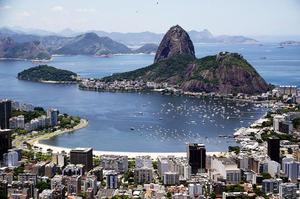
Pão De Açúcar

Situated in the area of Urca, the Pão de Açúcar (sugarloaf) is a spectacular mountain view point of Rio at its best. The view is best appreciated on a clear day so make sure you check the weather forecast. Don't miss the attractive scenery of the coast and greenery, along with the cicade maravilhosa.

Ipanema beach
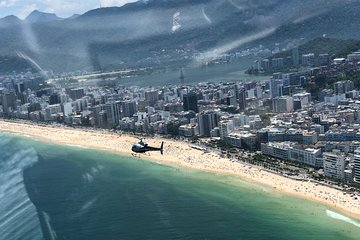
Ipanema beach is the place which is jam packed with tourists when the summer season starts in Rio. All over the beach you will see people sun bathing, playing beach volley ball or swimming. Beach events are very famous at Ipanema as tourists and locals come together to play games like beach soccer, beach volleyball, foot volleyball, etc. If you are good at surfing, body boarding, skim boarding, then Ipanema beach is an ideal place to be. Though, stay away if you are a novice, as the waters can be quite rough. If you are eager to visit Capoeira, then Sunday is the best day as the lane is open only for pedestrians. Other highlights include the Hippie Fair where you can buy some Brazilian handicrafts or musical instruments and the Street Carnival.
Copacabana Neighbourhood
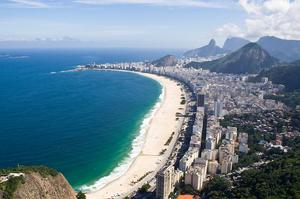
The Copacabana neighbourhood which was just a small fishing village till the 1900’s flourished rapidly after the inauguration of the Copacabana Palace Hotel. In fact, the area is divided into two beaches, Leme beach and the actual Copacabana beach. The area is constantly brimming with tourists as they hang around the attractive beach, kiosks, bars and restaurants. What actually made this area famous is the Copacabana fort and the Palace hotel. In fact the hotel has now been declared as part of Brazil’s natural history. The Fort which dates back to 1914 today houses the Army Historical Museum. Ammunitions dating to the early 20th century are displayed here.
Address: Army Historical Museum: Army History Museum and Copacabana Fort, Praça Coronel Eugênio Franco, 1 – Copacabana, Rio De Janeiro
Tel: +55 2521 1032

Morro Do Leme

Morro Do Leme contains a environmental protection area. Located on the Atlantic coast, there is over 10 hectares of rain forest filled with exotic species. Book a tour in advance.

Address: Praça Almirante Julio de Noronha

Tel: +55 21 2275 7696

Tijuca Forest / Tijuca National Park
The Tijuca Forest is the largest urban forest in the world that is home to hundreds of species of animals and living beings from all around the Atlantic Forest. The forest is one of its kinds because it has been replanted by man in the early 1900’s after years of deforestation for coffee plantations. Covering a space of around 3,200 hectares, it was the initiative of Major Gomes Archer where the replanting of seedlings native to Atlantic eco system were made. To attract tourists, over the time restaurants were opened and public baths were instated. Today, it is a leisure area with parks, fountains and lakes and every year millions of tourists pay at least one visit to this forest.
Address: Estrada da Cascatinha, 850, Alto da Boa Vista– Tijuca, Rio De Janeiro
Tel: +55 21 2492 2252
Botanical Gardens / Jardim Botanico
The Jardim Botanica is the place where man and nature reside in perfect harmony. This garden is a prefect tourist spot for all ages. A learning ground for children, adults can stroll around the gardens to view some of the amazing and rarest species of plants from Brazil and other countries. There are 8200 species of plants planted here which are categorized according to their species. Various wild animals, birds and other beings also stay comfortably here. One can get the opportunity of being close to these animals and learn more about their daily life. There is also a nearby cafe conveniently situated here where one can admire the garden views, complemented by live music at the weekend.
Address: Rua Jardim Botânico, 920 (pedestres/pedestrians)e 1008 (veículos/cars)- Jardim Botânico/ Jardim Botanico District, Rio De Janeiro
Tel: +55 21 3874 1808, +55 21 3874 1214
Buzios Peninsula
Buzios Peninsula which was once a fishing village has now transformed into a major tourist destination. In the past, it was occupied by European pirates and slaves, with time the diversity in its beauty caught the tourist’s fancy and became a major tourist destination with posh hotels, a buzzing nightlife and an assortment of eco life. There are around 20 beaches which surround the peninsula and many centres which offer facilities for water sports like windsurfing, scuba diving, snorkelling and fishing. An 18 hole golf course, art galleries, and night clubs decorate the attractive peninsula. Buzios can be reached by road from Rio via the Rio-Niteroi toll bridge, or by bus from the Novo Rio Bus Station
Ilha Fiscal
Fiscal Island, part of the Guanabara Bay, is a small isle which holds a small green castle which was once an important venue for the Brazilian empire. The castle on the Fiscal Island is said to have hosted the last Imperiall ball in 1889. Its architecture has been designed by Adolfo del Vecchio and his creativity can be seen in the form of carved stone work, exceptional mosaic work and ten different types of hard wood used for mosaics. This neo gothic castle can be visited three times a week from Thursday to Sunday.
Address: Av Alfredo Agache, no final da Praça Quinze – Centro, Baía De Guanabara
Tel: +55 21 3870 6992
Rodrigo de Freitas Lagoon / Lagoa Rodrigo de Freitas
Lagoa Rodrigo de Freitas mostly known as Lagoa is a lagoon and a district in Rio that is bordered by other districts such as Ipanema, Leblon, Gávea, Jardim Botânico, Copacabana, Botafogo, and Humaitá. The city attracts a lot of tourists during the Christmas season when a special Christmas tree which is erected on a floating platform moves about in the lagoon. Famous tourist areas like Copacabana, Ipanema, Leblon, Gávea, and Jardim Botânico are nearby. The lagoon offers various tourists entertainment like night clubs, bars, restaurants, hotels, and mainly it is the headquarters of the soccer team Flamengo.
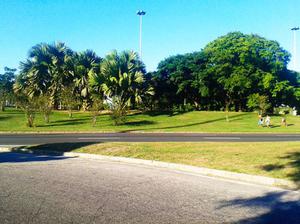
There are number of free sport courts, bicycle and jogger's lanes, a number of playgrounds for children and gourmet food kiosks along with sports facilities for Jogging, cycling, horseback riding, roller-skating, volleyball, basketball, soccer, tennis and nautical sports.

Moreira Salles

Located near to the Parque de Cidade is this cultural centre. It holds old photographs of Rio and the rest of Brazil showing how the cities have changed and developed over the years. This informative centre also exhibits work from famous artists and attracts many tourists who are interested in learning about Rio and Brazil's past.

Address: 476 Rua Marques de Sao Vicente

Tel: +55 21 3284 7400

Joatinga Beach
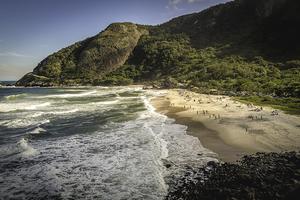
Joatinga Beach is a beach that is less frequented by tourists and therefore is also ironically the most sought after by those ones who want to relax and want some silence around them. 220 mtrs sq long, this white sandy beach is one of most well protected natural reserves in Rio. The ecological diversity of the Atlantic rainforest, mangroves and the small tribe of Caiçara is not something one should miss. The beach which is a crossover between forests and virgin beaches is also a dream come true for professional surfers.
Barra da Tijuca Beach
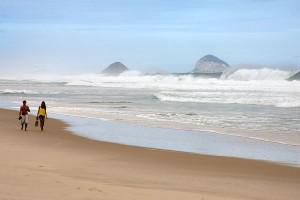
Barra da Tijuca Beach is the longest beach in Brazil and stretches about 18 kms from Morro do Joá and to the Recreio dos Bandeirantes neighbourhood. It’s a clear green beach and a hot spot for surfers, wind sailors, and body surfers. The beach also welcomes beginners in water sports and after enjoying the sea waves there are a lot of restaurants, barracas (tents), food and drinks stalls where you can have some snacks. The beach gets crowded during the weekends and is best visited during weekdays. This attraction is accessible by bus, but preferable one should arrange for a car.

Centro Cultural Banco Do Brasil

The CCBB is one of Brazil's most popular cultural centres and is situated in Rio's financial area of Centro. Attracting millions of visitors per year, the centre includes two theatres, a cinema and various exhibitions such as the evolution of Brazil's currency. Look out for film and concert listings in O Globo entertainment.

Address: 66 Rua Primeiro de Marco

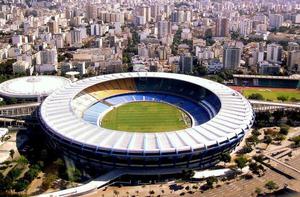
Maracanã Football Stadium / Estádio do Maracanã
Till recently the Maracanã Football Stadium was the largest football stadium in the world. It can accommodate 200,000 spectators; it was inaugurated during the FIFA World Cup in 1950. Owned by the Rio de Janeiro State Government, major football clubs like Flamengo, Fluminense, Botafogo and Vasco da Gama play their matches here. Experience the feeling of kicking a football in this stadium with your favourite players and you will surely never forget your visit.
Address: Rua Professor Eurico Rabelo, Rio de Janeiro
Tel: +55 21 2299 2941

Museu Chácara Do Céu

The museum was where the art patron and industrialist, Raymundo Ottoni de Castro Maysa, used to live. This popular attraction houses a variety of modern art by artists such as Lygia Clark and Portinari. It also contains Brazilian artefacts dating back to the 17th and 18th centuries. Furthermore, connected to the museum is the Parque das Ruínas which is famously known for staging musical concerts. The park is not only aesthetically pleasing but also contains the ruins of the house which belonged to the Brazilian heiress Laurinda Santos Lobo. Before the heiress died in 1946, professors and some of the best artists from Rio used to gather here. Visitors enjoy coming to this attraction because it is not only a learning portal but also somewhere for entertainment and relaxation.

Address: 93 Rua Murtinho Nobre, Rio de Janeiro

Tel: +55 21 2507 1932