Make it happen
Rio de Janeiro, Brazil » City Info
Rio de Janeiro never fails to impress us with its modern outlook that reflects its progression through the times of yore. The historic sites, sparkling beaches, green belts and jubilant attitude of the locals embrace the tourists to the world where heaven meets the earth. If Ronaldo played football at the Maracanã stadium, then Christ the Redeemer puts Rio on the world map. Rio's carnival with its effervescent samba dancers jiggling their hips attracts thousands of tourists around the world. The rainforests, museums, beaches and the glitz of the city have made Rio what it is today - Brazil's top-notch tourist attraction.
Top 10 Rio de Janeiro Landmarks
Christ the Redeemer: Standing atop the Corcovado Mountain with its arms spread out, the humongous statue of Christ the Redeemer (Cristo Redentor) is embracing the people of Rio since its inauguration in 1931. One of the Seven Wonders of the World, the imposing structure of soapstone and cement provides panoramic views of Rio beyond compare. Book a cog train to the statue through the trails of the Tijuca Forest National Park. The Corcovado Mountain is a tourist destination in itself with every inch occupied by frantic visitors. So arrive early to get a surreal view of the statue. Entry is free.
Maracanã Stadium (Estádio Jornalista Mário Filho / Estádio do Maracana): Fans of legends like Ronaldo, Pele, Romario, Carlos Alberto and Nilton Santos will surely love to pay a visit to the Mecca of Football; the Maracanã Stadium. Officially inaugurated during the 1950 World Cup, all encompassing stadium features the capacity to hold 100,000 cheering fans. If you are lucky enough, it is possible to catch one of your favourite players in action. Otherwise pay a visit to the sports museum with treasuries in store. The stadium will host the 2014 World Cup and the 2016 Summer Olympics Opening Ceremonies. Currently under renovation, it will open in 2012.
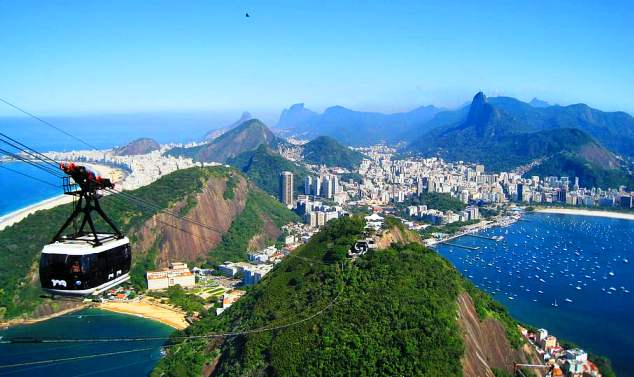
Sugar Loaf (Pão de Açúcar): Named after the traditional sugarloaves used during the yesteryears, the Sugarloaf Mountain is a tall 395 meter peak rising at the Guanabar Bay in the Atlantic Ocean. Right at the top, tourists will have the chance of their lifetime to capture photo opportunities of the sparkling Rio beaches, statue of Christ to the west and the green forests. Although most visitors arrive through a cable car which takes 2-3 minutes, others can test their enthusiasm and energy by climbing the mountain. The best time to visit the peak is at sunset when the flickering colours of the sun make way for a blanket of stars.
Rio de Janeiro Botanical Gardens (Jardim Botânico): The Rio de Janeiro Botanical Gardens is a complete resource for Amazonian tropical species including 5000 varieties of plants explicating the rich botanic diversity of Brazil. The garden showcases a fine collection of excruciatingly large Victorian water lilies and Japanese plants. Sitting on the edge of Tijuca Forest, Dom João VI designed the garden himself in 1808 to house plants of artistic, archaeological and historical importance. Visit the parks during the weekdays to avoid weekend crowds.
Sambódromo: As the legacy of 2012 Carnival arrives in Rio, so does the fervour of Samba dancers gains ground at Sambadrome Marquês de Sapucaí where samba school dancers compete to become the best in town. Dancers performing to their samba school anthem impress the crowd with their music, elaborate costumes and most importantly heart stomping samba dance. The Sambadrome, also known as the Apoteose Square holds the capacity to accommodate 90,000 people who come to watch the enthralling Carnival parade every year.
Copacabana Beach: Rio will never be complete without the mention of Copacabana Beach. The stimulating 4.5 kms of crescent coastline never sleeps as visitors play beach soccer, soak in the sun or swing and dance till the wee hours of the morning. One of the rich neighbourhoods of Rio, the borough is filled to the brim with bars, restaurants and upscale hotels. Tourists of all ages will have some or other activity to do at the beach, be it soaking in the sun, snorkelling, or adrenalin activities like water sports. The place will be one of the hosts for the 2016 FIFA Beach Soccer World Cup and also is favoured by revellers who want to bring in the New Year celebrations with great enthusiasm.
Ipanema Beach: The richer sibling of Copacabana, Ipanema Beach is a glitzy neighbourhood located between Leblon and Arpoador. Favoured by the local Rio's (cariocas), Ipanema beauty lays in its dusky stretch of sand dotted by greenery with cafes, bars and restaurants weaving up the place. Since, the place has got a fancier face; the prices are nearly 30% higher than otherwise. The waters at Ipanema are dangerous at times, so swim or surf in areas allotted by the lifeguards.
Centro: The historic and financial hub, Rio central district holds many jewels in its purse. Despite the bustling traffic and skyscrapers, the lanes provide an insight to how Rio was discovered and developed in the following years. There are number of historic landmarks that distinguish Central Rio - National History Museum displaying relics from Imperial days, 17th-century Mosteiro de São Bento church, 1905 Theatro Municipal, Paço Imperial; seat of former Portuguese rulers, baroque styled Igreja Sao Bento church, 18th-century Passeio Público garden and a 1750 built Arcos da Lapa aqueduct. Today, these restored structures are home to many restaurants, art galleries, tea shops and speciality shops.
Parque Nacional da Tijuca: Parque Nacional da Tijuca is the world's largest urban forest as well home to endangered species known only to the Amazonian basin. Hand-planted in the 19th century to recover the damage caused by extensive coffee plantations, the wildlife park population includes many insects, ocelots, birds and howler monkeys. The park's summit, where the symbolic Christ the Redeemer statue is situated, offers fantastic views. Although many visit the park by car, hiking tours for the adventurous are arranged by a number of agencies.
Petropolis: About an hour's drive away (65 kms) from Rio de Janeiro is Petropolis, also known as 'The Imperial City of Brazil.' Petropolis is located at the foothills of Serra dos Órgãos National Park which lends it a cool climate compared to the muggy surroundings of Rio. A popular resort town, the main attraction of Petropolis is the Summer Palace of the former Brazilian Emperors which is now restored into a museum displaying Imperial memorabilia. Other notable buildings are the Palacio Cristal glasshouse and the Cathedral.
Top 5 Bars
Rio Scenarium, Lapa: One of the best bars in Rio de Janeiro, Rio Scenarium is not just about food and drinks but encompasses a delightful entertainment scene with Brazilian music, casa de shows and vintage décor with 10,000 antiques. Housed in a bar restaurant in a renovated building from the XIX century, Rio Scenarium was listed by The Guardian as one of the ten best bars in the world. The bar specializes in 'cachaca', rum like liqueur, popular in Brazil.
Bar do Mineiro, Santa Teresa: Bar do Mineiro is the place to dig if you prefer food which is flavourful and comforts your soul. The liberal portions and wholesome, hearty meals in the comfortable settings of Santa Teresa ensure Mineiro a place in the Top 5 Bars of Rio de Janeiro. The taste is tantalizing if the food is anything to go by. Try the traditional sausages, savoury pastries, frango com quiabo and the Feijão tropeiro.
Bar Brasil, Lapa: Bar Brasil reflects Rio's rolling times as the capital of Brazil when it was the beating heart of the country. Lapa famous for its nightlife invokes the same feeling at Bar Brasil where German food such as eisbein, kassler, and sauerkraut are devoured with a hearty glass of draft beer. The interiors by artist Selarón complete the awe-inspiring interiors of this 100-year old institution.
Azul Marinho, Arpoador, Ipanema: Soak in the best beachside views at Azul Marinho, below the Arpoador Inn which serves one of most succulent seafood dishes in Rio de Janeiro. Book one of the outdoor seating tables to make the most of the beachside as candles flicker in the background. You can also dine in the porch. During the summer when the temperatures peak beyond 40°C Azul Marinho is an ideal resting place to cool down with a glass of beer. Do not forget to try their famous whole fish baked in salt, octopus vinaigrette and seafood stew. All the produce used here is organic.
Bar Urca, Urca: Overlooking the Christ Redeemer with a wonderful view of the Guanabara Bay, Bar Urca location at the base of the Sugarloaf Mountain gives it enough credit points to make it to the list. Watch the glistening waters of the Bay drive the fishermen back to land as the statue of Jesus Christ embraces the city against the background of the sky. A cold beer along with pastel de camarão, frango or firi is enough to make your day.
Top Activities
City Tours & Sightseeing: City tours & sightseeing offer you many more ways to discover Rio de Janeiro's beaches, mountains and rainforests! These affordable tours allow you to experience the cultural vivacity of the city at your own leisure and good time. Choose from a range of tours lasting from a couple of hours to a whole day. Hire a bus coach, jeep or simply walk with similar minded tourists to the vantage points of Christ the Redeemer, Sugarloaf Mountains, Tijuca Rain Forest, Corcovado Mountain, Santa Teresa and historic Rio. The onboard guide is always omnipresent to quench your thirst for knowledge.
Day Trips: A day trip gives tourist a chance to rejuvenate without spending a night away from Rio de Janeiro. Such types of recreational activities are possible through guided tours of the neighbourhoods of Rio de Janeiro such as Buzios, Angra dos Reis, Sepetiba Bay & Petropolis. Get away from the hustle and bustle of Rio de Janeiro to enjoy the cool climate, turquoise blue waters and fascinating history that awaits you.
Cruises: The romantic and the idyllic love the cruising part of Rio de Janeiro as they travel away from the city on the calm waves of the sparkling blue waters to visit the nearby Sepetiba Bay, Guanabara Bay and islands of Angra dos Reis. Embark on leisurely day / half-day trip cruise, arresting the beautiful views of Christ the Redeemer, Sugarloaf Mountains and the panoramic Rio de Janeiro.
Cabarets & Concerts: Rio de Janeiro has always enjoyed the glamour of stardust sprinkled over its traditional cabaret shows and concerts. A trip to Rio de Janeiro is incomplete without experiencing the shimmer and jiggle of brilliant samba dancers. Along with the exciting music and dance carnival, the delectable Brazilian steak surely will do the wonders. If you are a true blue sports fan and want to kiss the field where your favourite players practised his moves, book a Maracanã Stadium tour to attend a Brazilian football match.
Nature & Eco Tours: As soon as you experience the lush greenery of Tijuca Forest National Park, one can say that the stairs to heaven from earth are through Rio de Janeiro. A man-made forest, it is home to some endangered species and presents amazing, breathtaking views of waterfalls, Rio's Christ the Redeemer statue, beaches, Corcovado & Sugarloaf Mountains. If you're enthusiastic enough, book a hiking tour to the top of the Sugarloaf Mountain or Pedra Da Gavea granite mountain. Many of these tours also cover the charming 19th century district of Santa Teresa.
Jeep Tours: Ride in an open jeep to visit the Santa Marta favela where Michael Jackson shot the video for his famous song 'They Don't Care About Us.' Jeep tours also include an outing in the Tijuca Rainforest where tourists can hike, giving them the opportunity to spot howlers monkeys, butterflies, etc. There are a few tours complementing the Tijuca Rainforest with the Botanical garden since both of them grant such an explicit display of rich flora and fauna.
Water Sports: What with the sparkling blue beaches surrounding Rio de Janeiro, water sports are one of the favourite outdoor activities for a water baby. Go scuba diving at Arraial do Cabo, take private surfing lessons or go Ocean Kayaking to Cotunduba Island; you are spoilt with innumerable choices.
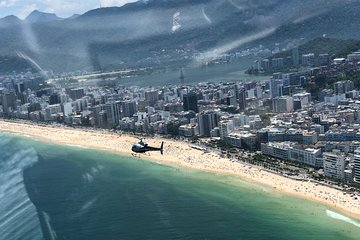
Aerial Tours: From the deep bottoms of the ocean, take out time to touch the fluffy clouds through a sightseeing tour of Rio de Janeiro in a helicopter. Revel in the incredible, unseen and unimaginable views of the Atlantic Ocean, Christ Status, the Rainforests, Copacabana beach, Sugarloaf and Corcovado mountains.
Top Rio de Janeiro FAQ's
Q.1) Where is Rio de Janeiro located?
Ans: Rio de Janeiro, the capital city of the State of Rio de Janeiro and the second largest city of Brazil is on the strip of the Atlantic Coast close to the Tropic of Capricorn. Located in the southeast part of Brazil, the city/state is surrounded by forests on one side and sparkling beaches on the other.
Q.2) What is the official language of Rio de Janeiro?
Ans: The official language of Rio de Janeiro is Portuguese.
Q.3) When does the Rio de Janeiro Carnival take place?
Ans: The Rio de Janeiro Carnival is held before Lent every year. It is considered one of the most extravagant carnivals in Brazil. Generally it takes place around February / March
Q.4) What is the population of Rio de Janeiro?
Ans: According to the 2010 census, the population of Rio de Janeiro is 6,323,037.
Q.5) When is the best time to visit Rio de Janeiro?
Ans: The tropical climate of Rio de Janeiro makes it ideal to visit at any time of the year. During the summer months of December through March the temperatures can reach up to 45° while during the winters between June to August it can hover between 16°C - 20°C. The best time to visit is during the Carnival season (though airfares are high and the city is cramped with crowds) and the spring time when the humidity level is low. It is one of the best times to see Rio's lush green forests. Surfers should visit Rio during the winters, while diving enthusiasts should book their tickets for summer.
Q.6) How safe is Rio de Janeiro for tourists?
Ans: Since Rio de Janeiro is prone to frequent crime scenes and mugging at crowdie places like beaches, tourists (gringos) should adhere to general safety issues during their stay in the city. Since they are considered easy targets by criminals, it is best to take care of yourself differently than you would at home.
- Do not carry valuables or jewellery like expensive watches, iPod, digital cameras, etc. Store them in hotel lockers.
- Do not carry lot of money or credit cards all the time. Avoid flashing your wealth.
- Carry valuables in a bag that is not too noticeable, possibly hidden from public eye.
- Do not leave personal belongings unattended.
- Avoid taking to strangers trying to strike a conversation or selling things. Perhaps they are drugged.
- Carry a copy of the passport, rather than the real one.
- Avoid roaming on the streets unattended by the police, after dark.
- If you are mugged, look down and let them take your valuables. Do not resist or look into their eyes as the criminals are armed. Afterwards, leave the scene of crime quickly in the opposite direction that the muggers went.
Q.7) When did Brasília replace Rio de Janeiro as Brazil's capital?
Ans: Brasília replaced Rio de Janeiro as Brazil's capital in 1960 after the government felt the need to divert the ever-expanding population to inner parts of the city.
Q.8) Which are Rio de Janeiro's famous beaches?
Ans: The two famous beaches in Rio de Janeiro are Copacabana Beach and Ipanema Beach.
Q.9) What are the typical business hours in Rio de Janeiro?
Ans: Typical business hours in Rio de Janeiro are: Offices: Monday - Friday: 9 am to 6 pm Stores: Monday - Friday: 9 am to 7 pm, Saturday: 9 am to 1 pm Malls: Monday - Saturday: 10 am to 10 pm
Q.10) What is Rio de Janeiro like for gay tourists?
Ans: Rio de Janeiro is the main tourist destination for gay and lesbian travellers from Brazil and rest of the world. It was voted the best lesbian and gay international destination in 2009 and the sexiest gay place in the world in 2010.
Q.11) Should I obtain a health insurance before travelling to Rio de Janeiro?
Ans: Tourists should take out an all-inclusive health insurance before travelling to Rio de Janeiro since foreign nationals can encounter unexpected medical emergencies in Brazil. In the summer and rainy season, the risk of contracting dengue is high due to high temperatures. Consult a medical expert on the appropriate vaccinations, present health outbreaks and general disease protection. Also, avoid unprotected sex due to the risk of contracting HIV/AIDS. All travellers should visit their physician 4-8 weeks before the date of departure. Vaccines recommended for all travellers - Hepatitis A, Typhoid, Yellow fever, Hepatitis B
Q.11) What type of clothing should I carry when travelling to Rio de Janeiro?
Ans: Since Rio de Janeiro is warm and humid all round the year, tourists should carry casual, cotton clothes. Shorts, T-Shirts, Sports shirts, Jeans are a common attire to wear in Brazil. Also, throw in a sweater or jacket during winters or if you are travelling to the resort town of Petropolis.
Q.12) What is the Time Zone of Rio de Janeiro?
Ans: Standards Time Zone of Rio de Janeiro is UTC/GMT -3 hours. In summer, it observes daylight saving time of +1 hour.
Q.13) What is the Brazilian Currency called?
Ans: Brazilian currency is called 'Real' and pronounced as "hay-al". Since dollar is not accepted in Brazil, you'll need to convert your home currency to Real at any of the money exchange counters (banks, airport exchange kiosks, exchange shops or exchange houses). Do not exchange money on the street!
Q.14) How much tipping is expected in Rio de Janeiro?
Ans: Unless the 10% additional charge is not included in the bill, tipping is expected from customers in restaurants. Give extra money if the service was friendly. Round up to the nearest denomination for taxi drivers while bell boys and chamber maids expect at least R$1.
Q.15) What is a 'flavela'?
Ans: A flavela is a term assigned to a slum neighbourhood in Brazil. The modern favelas were formed when rural people moved to the cities but found no place to stay, ending up in a flavela. Today, the flavelas are ruled by the drug lords with illegal activities and crime rates absorbing the scene.
Q.16) What are the neighbourhoods in Rio de Janeiro?
Ans: Rio de Janeiro is divided into the historic downtown Centro, tourism based Zona Sul (South Zone), residential Zona Norte (North Zone), Barra da Tijuca, one of the richest places in Brazil and Zona Oeste (West Zone).
Q.17) How do I make a call to Rio de Janeiro?
Ans: To make a call to Rio de Janeiro, you need to exit your country with 00, and then enter the country code of Brazil i.e. 55 followed by the state number 21 and then the specific number.
Q.18) What are the major holidays in Rio de Janeiro?
Ans: The major holidays in Rio de Janeiro are New Year's Eve, Carnival, Good Friday, Easter, Tiradentes, Labour Day, Corpus Christi, and Independence Day, Holy Mary's Day, All Soul's Day, Proclamation of the Republic Day and Christmas.
Q.19) What is the electric current voltage in Rio de Janeiro?
Ans: The electric voltage is 127 V in Rio de Janeiro, though some hotels may provide for 220 V. It is different from U.S. or some of the other European countries, so bring an adapter.
Q.20) How is the drug scene in Rio de Janeiro like?
Ans: The drugs poverty crime scene in Rio de Janeiro is dangerous, so avoid getting into a hassle with robberies and assaults as the muggers may be drugged. Since there is a huge level of illegal drug trafficking, keep bay from strangers, beggars and people selling on the streets. You possibly don't want to get involved or attacked for no rhyme or reason.
Getting Around in Rio de Janeiro
Although the public transportation system in Rio de Janeiro may seem confusing initially, it is very easy to comprehend if you stay in one of the tourist neighbourhoods. The public transportation system has covered all the major sights along their paths throughout the various districts, making them an efficient mode to tour the city. Metro is the most reliable amongst them along with radio taxis and cab companies who hire cars upon telephonic or online booking. Avoid any informal form of transport, taking buses at night and lifts from strangers as these can tip off robbers.
Bus System
Travelling in a bus is perhaps the cheapest option available, to get around the tourist concentrated 'Zona Sul' district of Rio de Janeiro. The bus system in Rio de Janeiro is independently operated by a number of agencies, with a high number of buses plying on a copious amount of lines. These buses operate 24 hours a day and tickets are to be paid in cash to the controller or bus driver. The bus fares though quite cheap will be high for air-conditioned buses. Always keep a small change to pay the fare. Since snatchers and muggers are a common occurrence, keep your belongings close and safe while travelling in a bus. Since the bus routes are weaved in a confusing manner, it is best if the tourist asks the hotel how to navigate or which routes to take. In addition, Rio Onibus contains a catalogue of lines (map) which can be downloaded in PDF format. The map is the best way to communicate with the driver who most of the time will understand no other language than Portuguese.
Taxis
A cab offers comfort and convenience to tourists to move around Rio de Janeiro. Taxis can be distinguished by their colour because the yellow taxis are official, metered taxis while blue or red taxis operate from the airports. The taxis are not too expensive and they ply on per kilometre basis. Be sure the meter has started after getting into the taxi. Although taxi drivers are not fluent in languages other than Portuguese, most of the times they understand heavily accented English. Otherwise, write down the destination on a piece of paper and show it to your driver.
To be on the safer side, many tourists hire Radio Taxis which are usually blue, green or white taxis. These taxis operate at a fixed price irrespective of the time of the day, traffic jams or the driver's mood. Although, it may seem expensive, sometimes it is the best way to avoid getting ripped off. Moreover, women should prefer booking a radio taxi rather than hailing a taxi driven by an unreliable, ill meaning taxi driver.
Car Rental
Rio de Janeiro car hire is the best option when driving to distant places such as Angra dos Reis, Grumari, Buzios and Paraty. It allows you to choose the date and time of travel plus offers the comfort of first class travel. Not all districts / regions of Rio de Janeiro are well equipped with public transport routes. Therefore, it becomes essential that one rents a car to reach these places. Driving a car is not exactly a pleasurable experience due to rush-hour traffic jams and irresponsible attitude of Brazilian drivers. But the quest of adventure should never die and it would be a shame if Rio de Janeiro's exotic territories are left unexplored due to lack of proper transport medium.
Metro (Subway)
Tourists, who are wary of the public transport system of the city, should opt for travelling by the subway since it is the safest, cheapest and most reliable way to get around the city. The air-conditioned metro operates on two lines from Monday to Saturday - 5 am to midnight and on Sunday, Public Holidays 7 am to 11 pm. Line 1 runs from Copacabana (Cantagalo Station) to Tijuca (Sãens Pena Station) while Line 2 runs from Centro (Estácio Station) to Pavuna. Tickets are available only for the Metro as well as can be pooled with bus tickets at the Metro stations. The hilly areas of Rio de Janeiro, where subway is never going to be possible, are served by metro-bus integration called Metrônibus and Metrô na Superfície minibuses. Of late, a pink compartment has been added to Rio de Janeiro trains especially for women travellers.
Line 1
Cantagalo - Siqueira Campos - Cardeal Arcoverde - Botafogo - Flamengo - Largo do Machado - Catete - Glória - Cinelândia - Carioca - Uruguaiana - Presidente Vargas -Central - Praça Onze - Estácio - Afonso Pena - São Francisco Xavier - Saens PeñaLine 2
Estácio - São Cristovão - Maracanã - Triagem - Maria da Graça - Del Castilho - Inhaúma -Engenho da Rainha - Thomaz Coelho - Vicente de Carvalho - Irajá - Colégio - Coelho Neto - Acari/Fazenda Botafogo - Engº Rubens Paiva PavunaThe metro is an excellent medium to easily access the Copacabana and nearby beaches and the historical and cultural attractions of the town.
Communication in Rio de Janeiro
Whenever you are travelling to a new place, there is always an urge to call a family or friend telling him / her experiences of the unknown land. While in the yesteryears, snail mail was important, today it is replaced by the use of internet and telephone. While you are in Rio de Janeiro, you can avail two types of phone systems. The first are the public phones which use phone cards, easily available at grocery and convenience stores. They are accessible in denominations as little as $5 and are ideal in emergencies, especially if you aren't carrying a mobile phone.
Tourists who intend to use hotel services should be aware that calls are metered for both local and international calls. Although, the cost of calling is not much, hotels tend to add their own service charges which bloat the bills to a considerable amount. Ask beforehand about the charges, to avoid getting duped.
Cell phones are also an excellent medium of communication since hotel rent it on per day basis at minimal charges. Since incoming calls are free and calling back to US is inexpensive, carrying a mobile will help you during emergencies especially whilst calling a taxi or contacting the front desk of the hotel. If you are making an international call outside of Rio de Janeiro dial 0 to get an outside line, followed by the international access code 00. Embratel customers should then dial 21 while Telemar customers will dial 31. After that, dial the country code, followed by area code and phone number.
Chatting or communicating on the Internet is very effortless given that most hotels provide internet access in their rooms. There are many internet and cyber cafes around Rio de Janeiro, information of which could be found at the front desk of the hotel.